
Types of Floor Screed, and Which One You Need
There's no single best screed. The right one depends on your floor, your timeline and what's going on top. Here's each type in plain English.
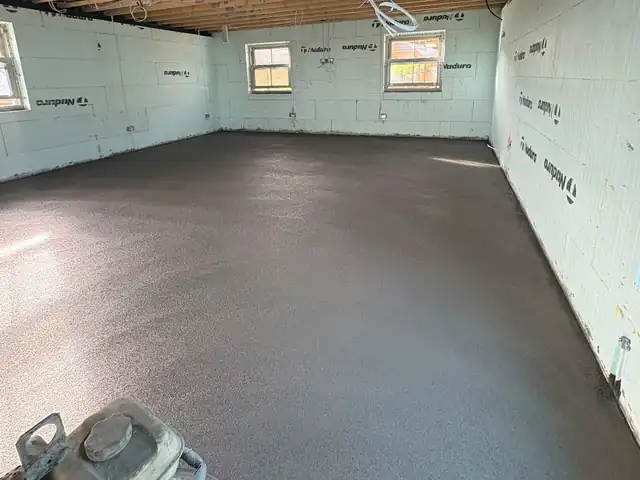
Sand and cement screed
The traditional screed: cement and sharp sand mixed on site, pumped in and laid level. It suits most houses, goes over insulation and underfloor heating, and takes any floor covering once it's dry. More on sand and cement screed.
Liquid screed
Pumped in as a liquid and self-levelling, so big floors go down fast. It flows tight round underfloor heating pipes and can often be laid thinner. More on liquid screed.
Fast dry screed
A screed mix made to dry quickly, for jobs where the tiler or floorer is booked in tight behind. More on fast dry screed.
Fibre reinforced screed
Sand and cement screed with fibres mixed through it for extra strength and crack resistance, for bigger floors and heavier use. More on fibre screed.
Polymer modified screed
Goes down thinner and bonds harder to the base, for overlays, repairs and renovations where floor height is tight. More on polymer modified screed.
Lime screed and limecrete
Breathable lime floors for old stone and solid-wall buildings, where a cement floor would trap damp in the walls. Read our limecrete guide.
Bonded, unbonded and floating screeds
- Bonded: stuck straight to a concrete slab, used for thinner screeds
- Unbonded: laid on a membrane over the slab
- Floating: laid over insulation, which is how most floors with underfloor heating are built
Cement-based vs anhydrite liquid screed
Liquid screeds come in two main types. Anhydrite (calcium sulphate) screeds flow very well but usually need the surface sanded before floor coverings go down, and they don't like being wet for long. Cement-based liquid screeds behave more like a traditional screed. We lay cement-based liquid screed.
Semi-dry, traditional and pumped screed
You'll hear the same screed called different things. Semi-dry, traditional and sand and cement screed usually mean the same thing: a stiff mix that's laid and levelled by hand. Pumped screed just means it's mixed and pumped into the house through a hose instead of being barrowed in.
What the floor covering needs
Think about what's going on top before you pick the screed. Tiles want a flat, strong base. Timber and vinyl need the screed properly dry. Big format tiles need it especially flat. If you know your floor covering, tell us at the site visit and we'll match the screed to it.
How to choose
- Most new builds and extensions: sand and cement or liquid screed
- Big open-plan floors with underfloor heating: liquid screed
- Tight timeline: fast dry screed
- Large or heavy-use floors: fibre reinforced screed
- Not much height to play with: polymer modified screed
- Old stone house: lime screed or limecrete
Still not sure? Tell us about the floor and we'll recommend one at the site visit.
From JAM Floor Screeding, Portlaoise. Over 20 years laying screed across Leinster. Figures here are typical guidance; your floor's spec and the manufacturer's data sheet always come first.
Questions we get asked
What's the most common screed in Ireland?
Traditional sand and cement screed, with liquid screed increasingly common over underfloor heating.
Which screed is best for underfloor heating?
Liquid and sand and cement both work well. Liquid flows tighter round the pipes and can be thinner. See our guide to screed over underfloor heating.
Which screed dries fastest?
Fast dry screed. You can walk on it the next day and floor coverings can go down in days.
Screeds mentioned in this guide
Sand and Cement Screed
Traditional sand and cement screed is our number one.
More on sand and cement screed →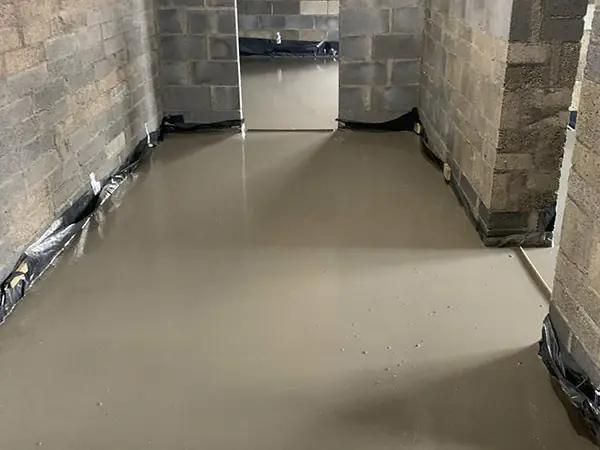
Liquid Screed
Cement-based liquid screed, pumped in and poured fast.
More on liquid screed →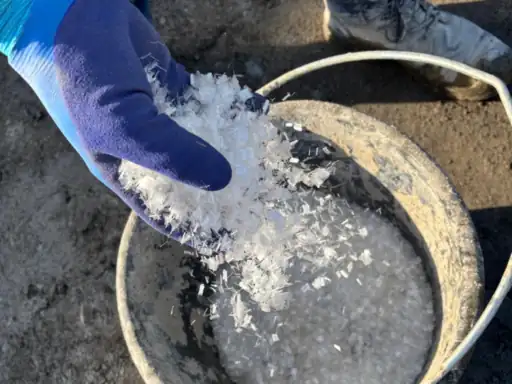
Fibre Screed
Fibre screed is sand and cement screed with fibres mixed through it for extra strength and crack resistance.
More on fibre screed →More guides
How Much Does Floor Screeding Cost in Ireland?
Screeding is usually priced per square metre, but the rate depends on a handful of things about your floor.
Read the guide →GuideHow Long Does Screed Take to Dry?
There are two answers: when you can walk on it, and when it's dry enough for floor coverings.
Read the guide →GuideHow Much Screed Do You Need Over Underfloor Heating?
Get the depth wrong and you'll either crack the floor or slow the heating down.
Read the guide →Tell us about your floor
Send the details and we'll come back to you with a site visit and a price. The form opens WhatsApp with your message ready to send.
- Site visit before we price
- Clear price agreed before we start
- Laser-levelled finish
Rather talk? Ring 086 838 2613 or email info@jamfloorscreeding.com.