
How Long Does Screed Take to Dry?
There are two answers: when you can walk on it, and when it's dry enough for floor coverings. The second one is the one that catches people out.
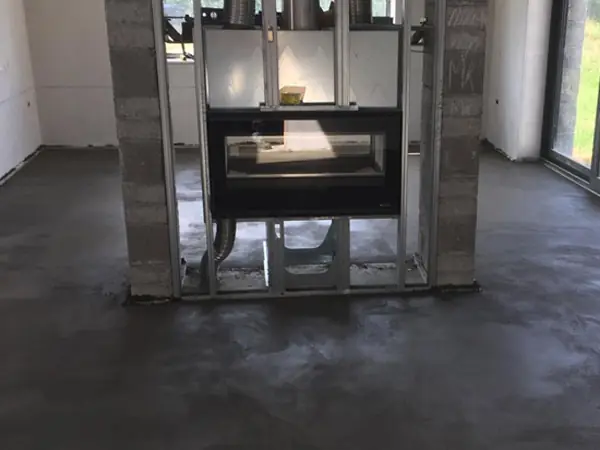
Walking on it vs laying a floor on it
You can walk on a sand and cement screed the next day, and on most liquid screeds after a day or two. That doesn't mean they're dry. Tiles, timber, vinyl and carpet need the screed to have lost most of its moisture first, and that takes far longer.
Sand and cement screed
The usual rule of thumb is about a millimetre a day for the first 40mm, and slower after that. A typical 65mm to 75mm floor can take around three months or more to dry fully in normal conditions. More on this screed: sand and cement screed.
Liquid screed
Liquid screed is often laid thinner, which helps it dry faster. Some products can be force-dried with the underfloor heating once they've cured, following the manufacturer's heating-up schedule. More on liquid screed.
Fast dry screed
Fast dry screed is made for tight programmes: walk on it the next day, and get floor coverings down in days rather than weeks, depending on the product and the depth.
What speeds drying up, and what slows it down
- Helps: good ventilation once the screed has set
- Helps: a steady, mild temperature in the house
- Helps: a thinner screed, where the floor build-up allows it
- Slows: cold, damp weather and closed-up rooms with no air moving
- Slows: plastering and other wet trades in the same rooms
Rough drying guide for sand and cement screed
This uses the common rule of thumb: a day per millimetre for the first 40mm, then about two days per millimetre after that. Real drying depends on the weather, heating and ventilation.
| Screed depth | Rough drying time | Good for |
|---|---|---|
| 40mm | About 6 weeks | Bonded and thinner screeds |
| 50mm | About 2 months | Some unbonded floors |
| 65mm | About 3 months | A typical floating floor in a house |
| 75mm | About 3.5 to 4 months | Commercial and heavier-use floors |
Curing comes before drying
For the first week or so, a cement screed needs to cure, not dry out fast. Keep strong sun, draughts and heaters off it so the surface doesn't dry before the inside, which is a common cause of cracking and a weak, dusty surface. Once it's cured, open up the house and let the air move.
Why different floor coverings care
- Timber and laminate: moisture from the screed can make boards swell and cup
- Vinyl and LVT: trapped moisture can lift the adhesive and cause bubbles
- Tiles: more forgiving, but adhesives still need the screed dry enough
- Carpet: the most forgiving, but the underlay can still sweat on a wet screed
Your floor fitter will know what their product needs. Ask them before you book the screed, so the dates line up.
Test before the floor goes down
Before tiles, timber or vinyl go down, your floor fitter should test the moisture in the screed. Laying too early is the main cause of lifting tiles and cupped timber floors.
From JAM Floor Screeding, Portlaoise. Over 20 years laying screed across Leinster. Figures here are typical guidance; your floor's spec and the manufacturer's data sheet always come first.
Questions we get asked
Can I use the underfloor heating to dry the screed?
Yes, but only once the screed has cured, and the heat has to come up slowly following the screed and heating manufacturers' schedule. Turning it straight up can crack the floor.
How long before I can walk on new screed?
Sand and cement screed, the next day. Liquid screed usually after a day or two. Keep heavy loads and other trades off it for longer.
How can I get floor coverings down faster?
Use fast dry screed, or liquid screed laid thinner where the floor allows it. Tell us your dates and we'll suggest the right mix.
Screeds mentioned in this guide
Fast Dry Screed
When the tiler or floorer is already booked in, fast dry screed keeps the job moving.
More on fast dry screed →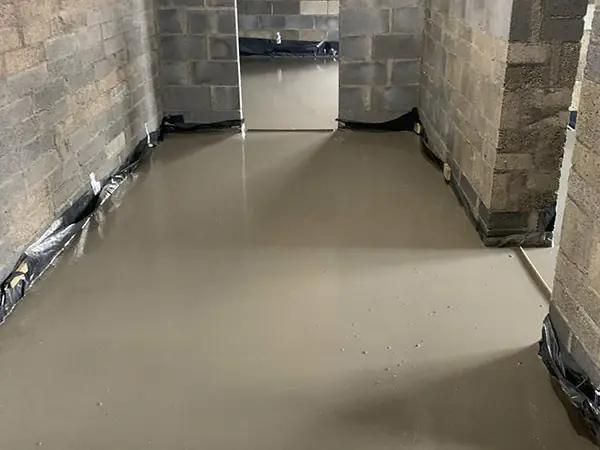
Liquid Screed
Cement-based liquid screed, pumped in and poured fast.
More on liquid screed →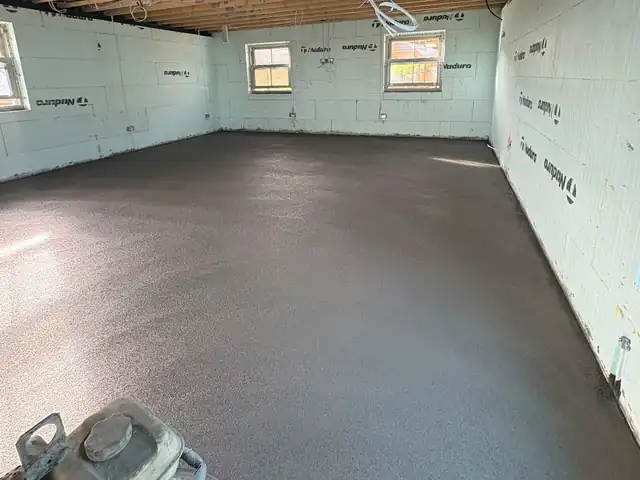
Sand and Cement Screed
Traditional sand and cement screed is our number one.
More on sand and cement screed →More guides
How Much Does Floor Screeding Cost in Ireland?
Screeding is usually priced per square metre, but the rate depends on a handful of things about your floor.
Read the guide →GuideHow Much Screed Do You Need Over Underfloor Heating?
Get the depth wrong and you'll either crack the floor or slow the heating down.
Read the guide →GuideTypes of Floor Screed, and Which One You Need
There's no single best screed.
Read the guide →Tell us about your floor
Send the details and we'll come back to you with a site visit and a price. The form opens WhatsApp with your message ready to send.
- Site visit before we price
- Clear price agreed before we start
- Laser-levelled finish
Rather talk? Ring 086 838 2613 or email info@jamfloorscreeding.com.